UX Research for Hardware & Devices

Lock every hardware decision with evidence before design freeze

Bring human factors specialists into every prototype stage, so your team commits to tooling knowing the design works for the people who will use it.

Plan Your Hardware Study

Trusted by Fortune 500 enterprises worldwide

Google-01 Tesla-01-1 Ebay-01-1 Adobe-01 1 Amazon-01 Cisco-01-1 Intel-01-1 Paloalto-01 BMO-01 AutoDesk-01 Walmart-01 Walt Disney-01-01-01 Anaplan-01-1 Acruex-1 FSB-1 Visa-01-1 Airbnb-01 General Electric-01 PayPal-01 Netflix-01 Twitter-01-1 Pintrest-01-1 VMWare-01 Informatica-01 Chase-01 Farmer Insurance-01 Gilead-01 PG&E-01 NBC-01 Caesars-01 Intuitive Omnissa-01 Broadcom-01 Infoblox-01-1 City National Bank-01 Servicenow-01-1 Equinix-01 Trimble-01 Lucid-01 PGE-01-1 Montefiore-01 PFU-01-1 Kaiser-01 ThermoFisher-01 Convergent-01 Chewy-01 CDW-01 Covetrus-01 Platform Science-01

What Your Team Gets

The human factors answers your hardware program depends on

Turn every engineering requirement into an answer your engineers can build on

Their questions become studies designed to answer them, so findings move straight into the next design review.

Get usable findings from every study the first time

Studies are designed right from the start, so no prototype round is lost to a rerun.

Keep pace with your prototype rounds without adding headcount

More iterations and new features get researched, so your team stays ahead of the build schedule.

Find the use errors that turn into safety risks while the design can still change

The ways people misuse or struggle with the device get found early, so they are designed out before launch.

Walk into every design review with evidence

Your recommendations come with data from real people, so engineering and leadership act on them.

UX Research Engagement Models

Findings in 2 to 3 weeks, and a dedicated partner when you need one

Akraya delivers both through UX research as a service (RaaS), a managed model run by one PMO with defined SLAs, while your team keeps control of the research strategy.

Delivery Model 01

2 to 3 weeks

from your question to findings

Rapid research

Your UX research lead brings one focused question about a prototype, control or setting, and Akraya runs the study and returns findings.

Fits when: a prototype round or design review needs an answer before the next build.

Delivery Model 02

Ongoing

for the length of your program

Embedded researcher

A dedicated researcher joins your hardware program and stays with it from early prototype to launch and beyond.

Fits when: you're running a hardware program across several prototype rounds or product lines.

Run both at once. Keep an embedded researcher on the hardware program and add rapid studies when a prototype round needs a quick answer. Both run under the same PMO.

Hardware We Research

Specialists for every device your customers hold, carry and use

Every hardware category has its own decisions to lock before tooling. Work with human factors researchers who know which questions to answer for yours, and when.

Hands holding phones and tablets around a table

Phones and tablets

Test grip, one-handed reach, button placement and screen size across different hands, so your team locks size and button layout with evidence before tooling.

Person trying out laptops on a store display

Laptops and PCs

Test keyboard feel, trackpads, hinges and port placement in real work setups, so your team knows which design tradeoffs customers will notice before committing to them.

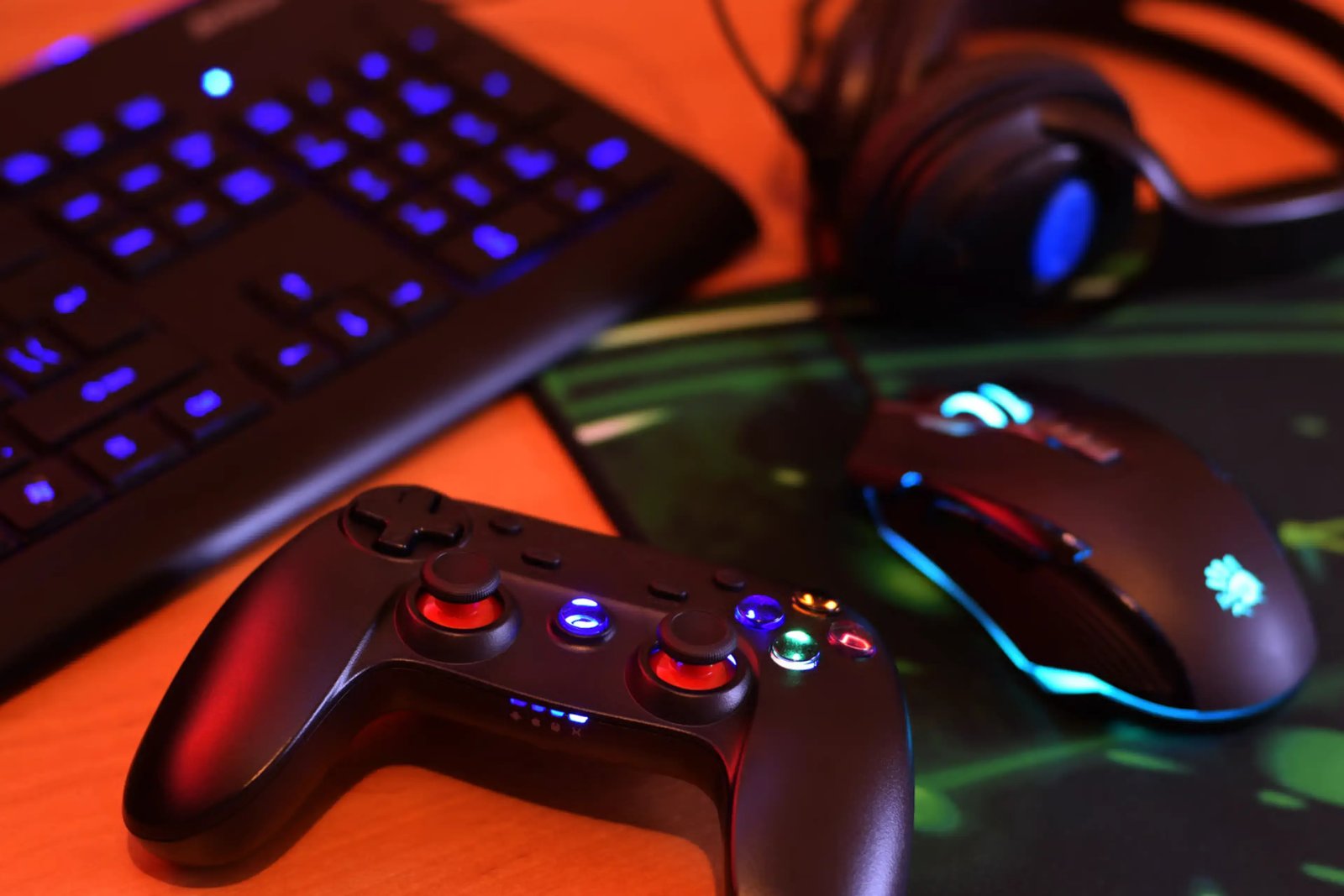
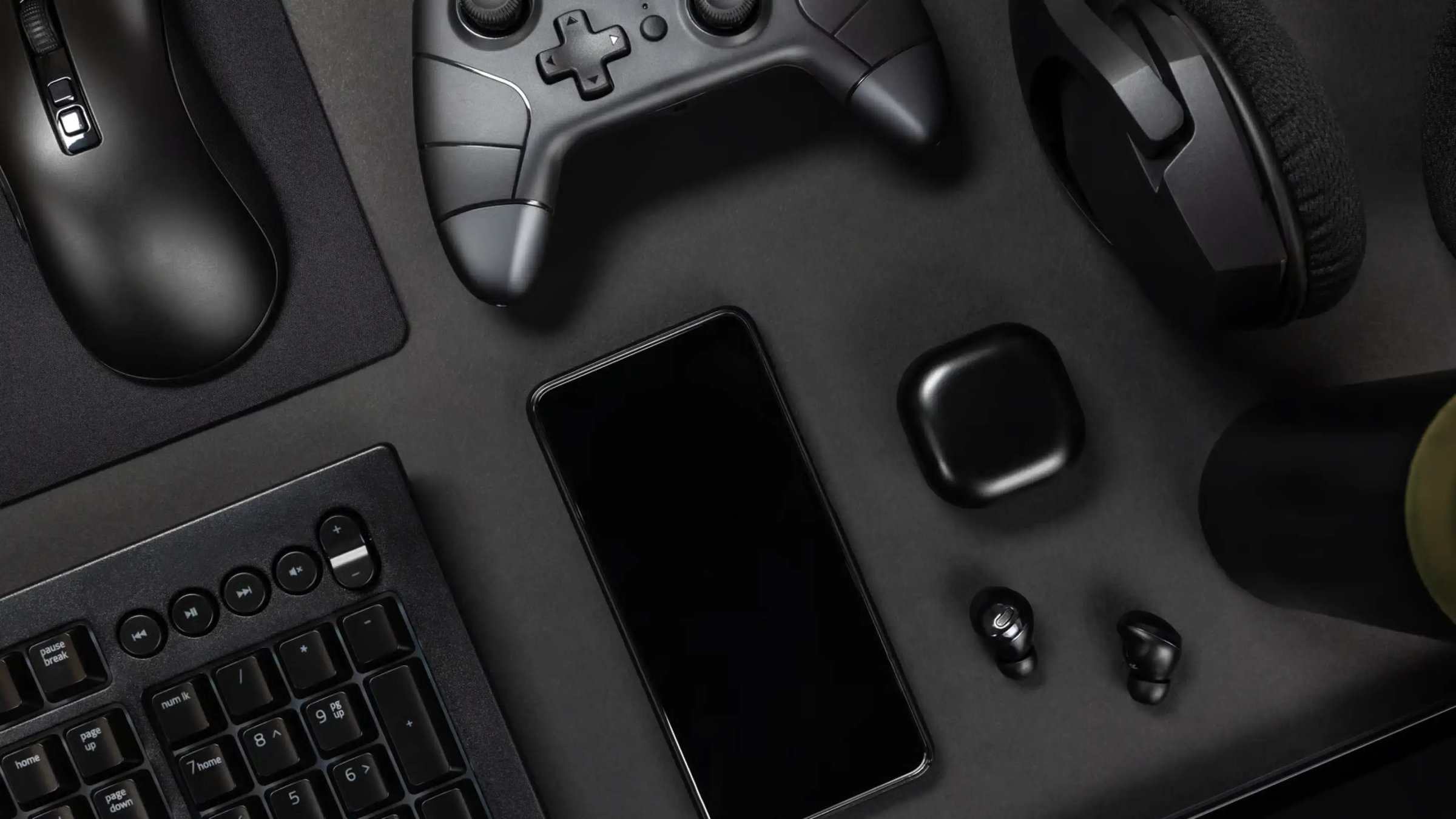
Game controller, keyboard and mouse lit up on a desk

Input devices and controllers

Test grip, button force, layout and comfort over long sessions, so your engineers get force and layout specs backed by data from real hands.

Laptop, tablet, phone and keyboard set up on a white desk

Conferencing and workplace devices

Test setup, camera and microphone controls, room displays and shared use in realistic meeting setups, so your team ships devices that IT teams can roll out without extra training or support.

Headphones resting on an audio mixing console

Audio hardware

Test weight, clamp and squeeze force, materials and controls across speakers and headphones, so your audio engineers get comfort and control findings they can design straight from.

Research Capabilities and Methods

Human factors research for every stage of hardware development

Each stage of hardware development raises a different question, and each answer gets more expensive to act on as the design gets closer to tooling. Here's the hardware UX research and human factors research Akraya runs at each stage.

Is this the right product to build?

Concept research

Learn which needs and routines the product has to fit, and test early concepts with real people before engineering commits to a direction.

  • User interviews
  • Journey mapping
  • Concept validation
Team of researchers reviewing hardware samples and data on screens

Will this form factor work for the people using it?

Human factors and ergonomics research

Test size, weight, grip, reach and physical controls on early prototypes across different hands and bodies, while the form factor can still change.

  • Human factors research
  • Ergonomics and fit testing
  • Lab studies
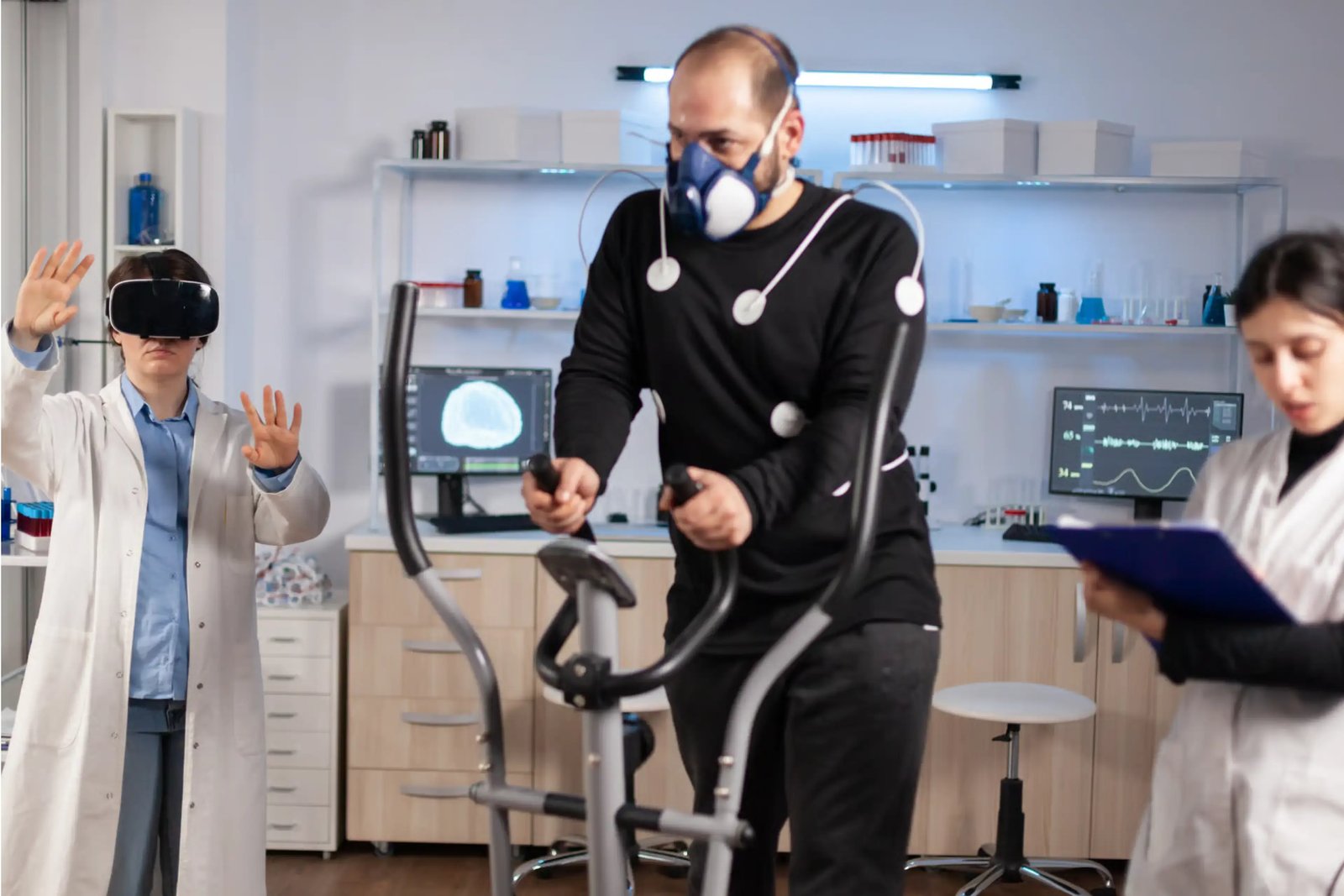
Researchers running a motion capture study with a participant on an exercise machine

Can people unbox it, set it up and use it without help?

Usability and out-of-box testing

Test controls, screens, packaging, unboxing and first setup on working prototypes, so problems that lead to support calls and returns get fixed before the design moves toward production.

  • Usability testing
  • Prototype validation
  • Expert heuristic review
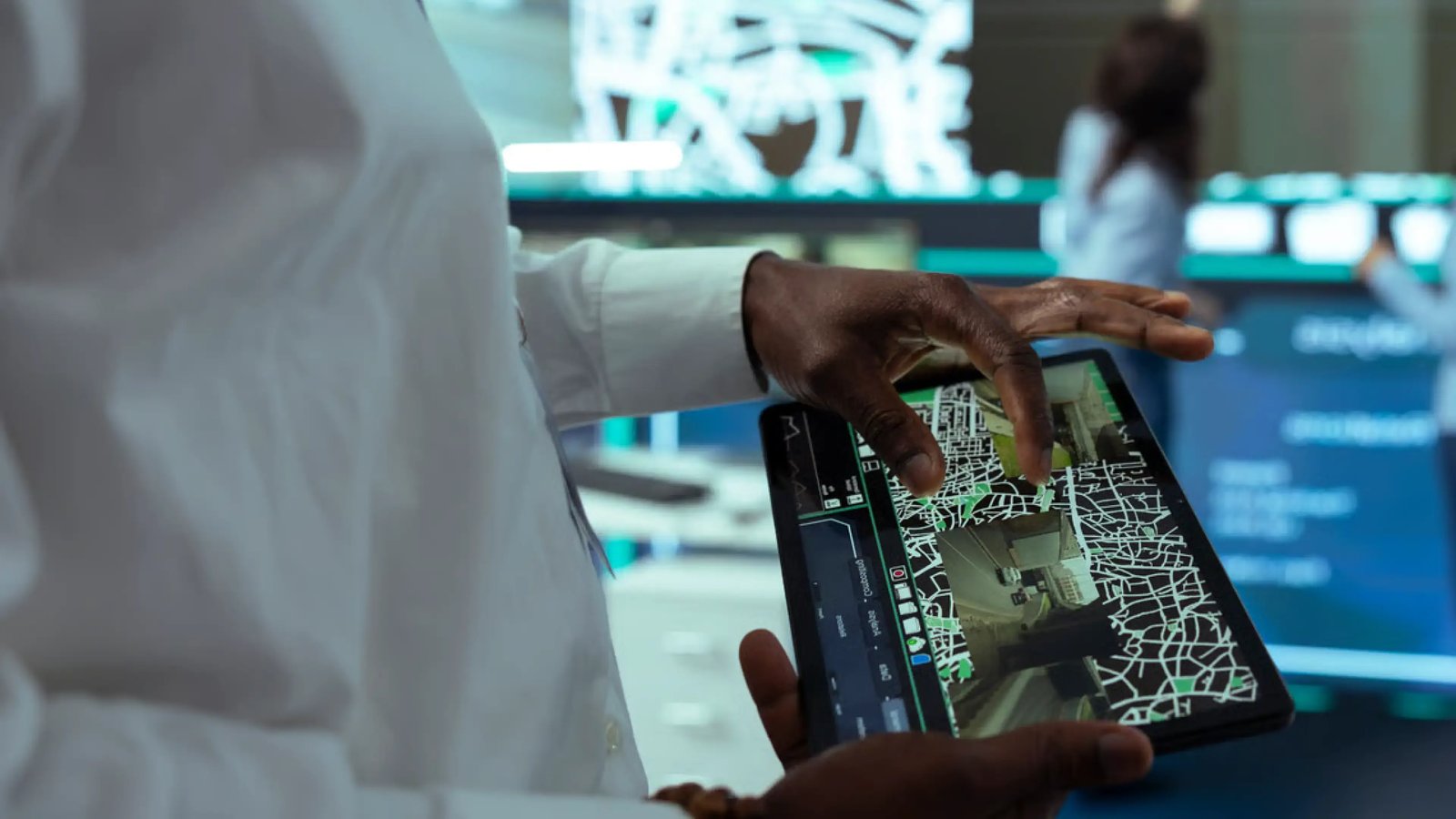
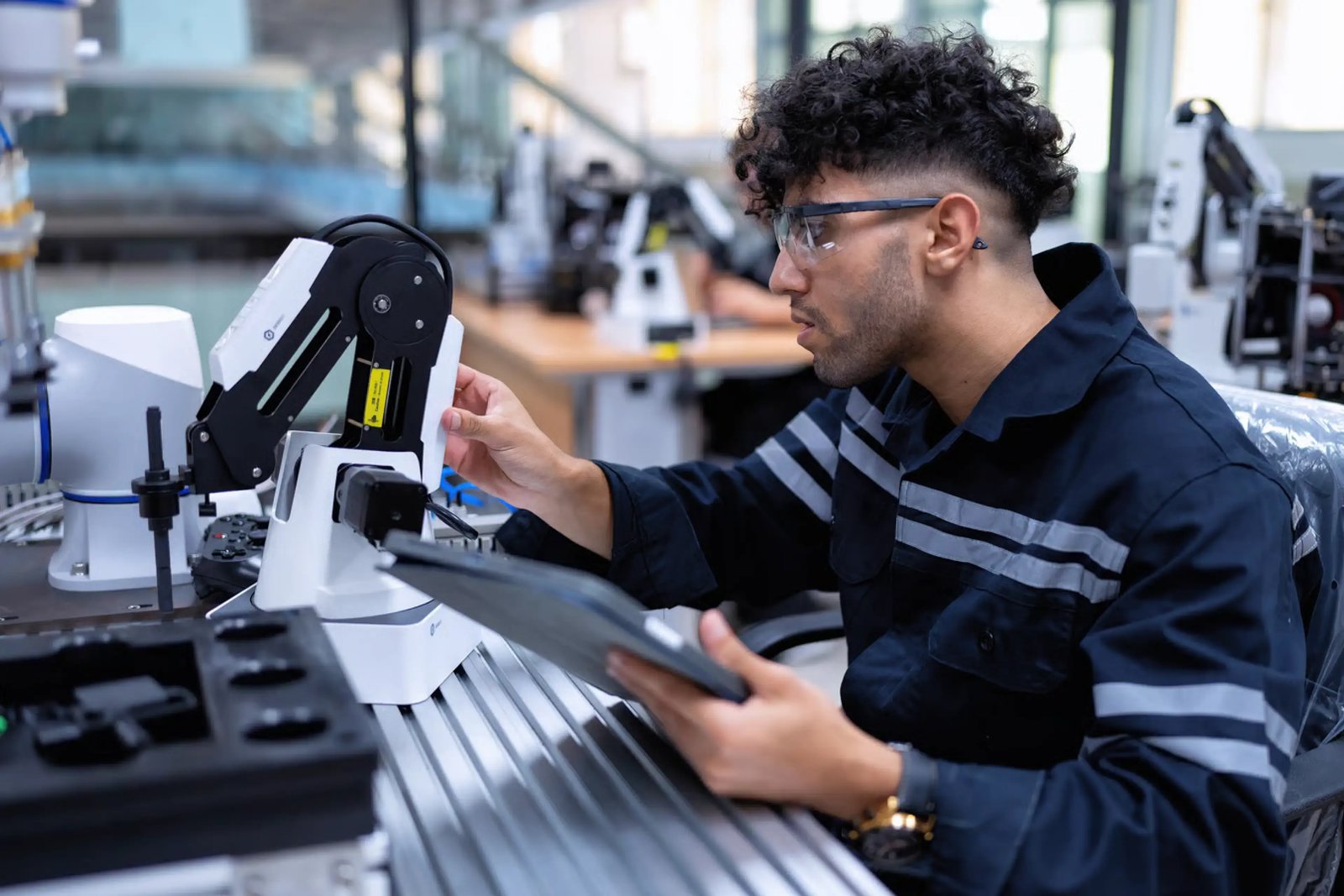
Technician testing a device with a tablet next to a robotic arm

Is the design ready to lock?

Validation research

Validate the near-final design with larger groups of participants, so your team locks the design with evidence behind every decision and finds the use errors that could become safety risks before the design is locked.

  • Usability testing
  • Data collection at scale
  • Surveys and quantitative UX research
Researcher in a lab coat reviewing results on a tablet

What should change in the next version?

Real-world and longitudinal research

Learn how people use the device in daily life and over time, so your next version starts from evidence.

  • Field studies
  • Diary studies
  • Surveys and quantitative UX research
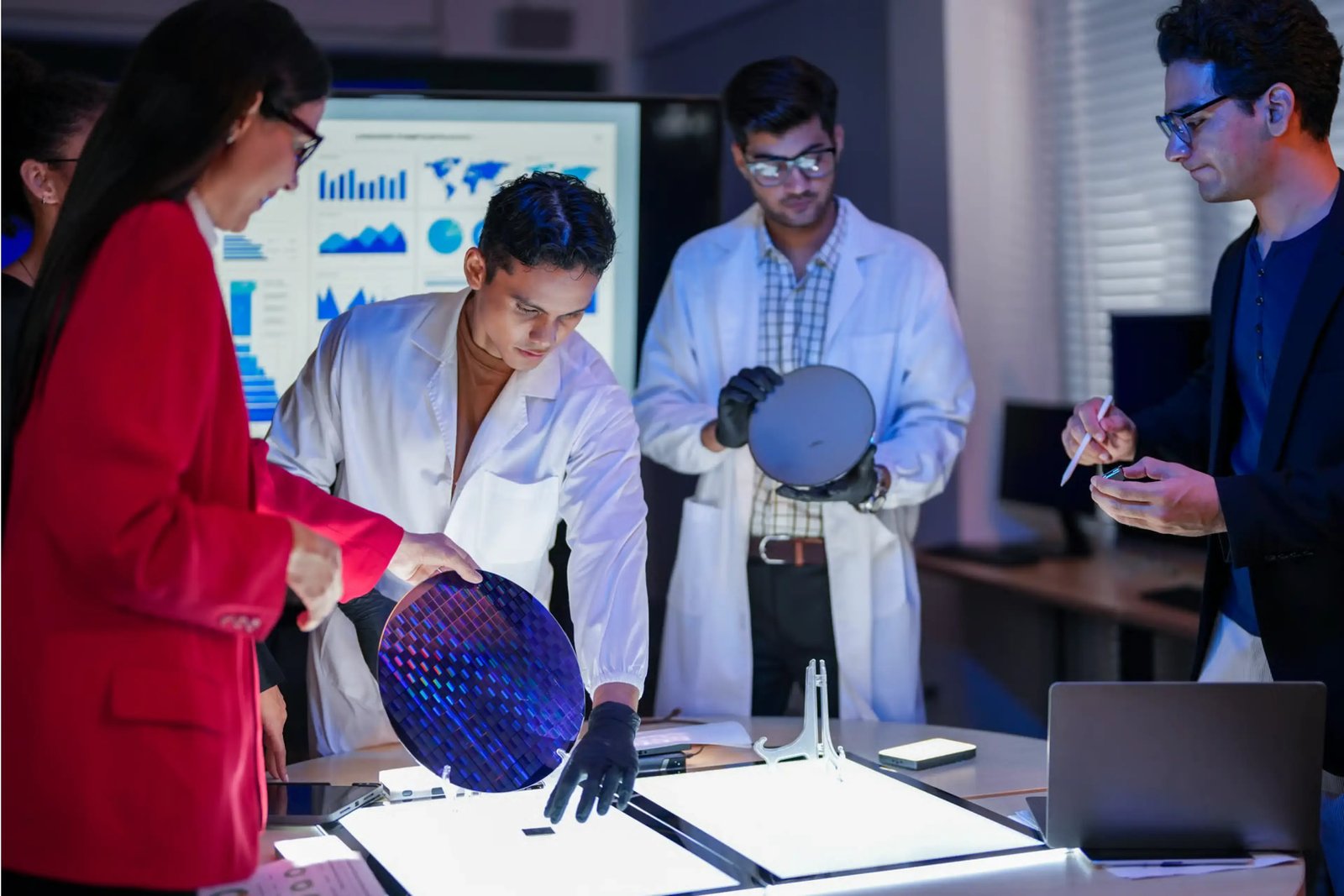
Researchers examining a wafer and notes at a lab table

Can everyone who buys it actually use it?

Accessibility and inclusive research

Test with people who have motor, dexterity, vision, hearing and speech disabilities, so physical barriers get caught while the hardware can still change.

  • Accessibility evaluation
  • Research with assistive technology users
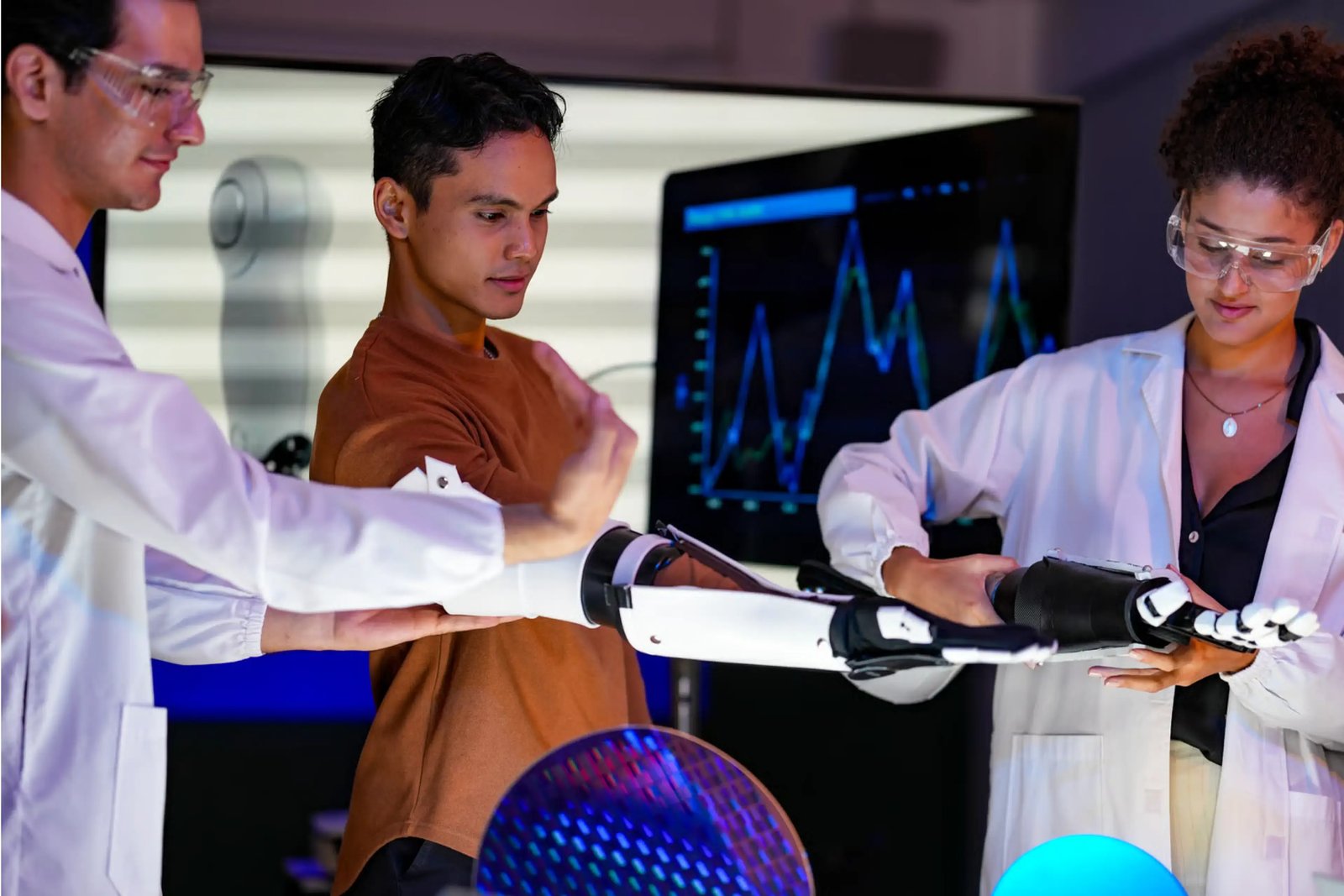
Researchers fitting a participant with a prosthetic arm

What Akraya handles

  • Study design, or running the study your UX research lead designs
  • Turning engineering requirements into research questions, plus support for lab operations
  • Research Ops: Moderated sessions, analysis and synthesis
  • Project management through our PMO
  • Participant recruiting

What your team receives

  • Findings in time for the prototype round or design review they're meant to inform
  • Insights your design, engineering and product teams can each act on
  • One point of contact through the PMO for the whole engagement

Have a question that is not listed here?

Every study is scoped around the decision your team needs to make. Tell us what you are trying to figure out, and our team will recommend the right approach.

Talk to our research team

Why Akraya

Why Fortune 500 hardware teams choose Akraya

Your choice holds up with leadership and procurement

Akraya runs UX research for Fortune 500 enterprises across software, AI products and wearable hardware.

Your studies are led by principal-level human factors researchers

Senior human factors leadership is part of every hardware engagement, with PhD-level researchers vetted against a big tech hiring bar and specialists in ergonomics, audio, motion capture and biomechanics.

Your research covers the hardware, the interaction and the software

Akraya researches the physical device, how people interact with it and the software inside it, so your design, engineering and software teams work from findings that fit together.

Your lab program runs at one consistent standard

Akraya supports lab operations with standardized protocols and training, so study quality stays consistent as you add studies, product lines and labs.

Comparing Your Options

The smarter way to scale human factors research

How building an internal team, a boutique UX research agency, a large consulting firm and Akraya compare for hardware and device UX research
Criteria Build or grow an internal team Boutique UX research agency Large consulting firm Akraya
Best for Long-term research strategy your team owns One-off projects with a fixed scope Transformation programs where UX research is one piece of a bigger engagement Hardware teams that need rapid studies for each prototype round or embedded researchers across the program, without taking on the work of managing them
Speed to first findings Months to open, fill and onboard a human factors role A new scope, proposal and contract for each project Program-level planning before the work begins Rapid studies return findings in 2 to 3 weeks, in time for the next design review
Human factors expertise Limited to the specialists you can hire Varies by the agency's specialty Drawn from the firm's bench Principal-level human factors researchers who turn engineering requirements into study designs
Scaling and management Grows only as fast as you can hire, and your team manages everyone Limited by the agency's size, and your team manages each project Scales inside a larger program, with visibility mainly through program reviews Add researchers for a new prototype round or product line, with an embedded PMO that owns delivery
Continuity and commitment Strong product knowledge, with a permanent cost that is hard to flex between programs Starts over with each new project and contract Tied to staffing and the size of the overall program The same researchers stay on your hardware program, and you can start with a single study and no long-term commitment

From Our Clients

What our clients are saying

Their responsiveness, attention to detail, and collaborative approach have made them a valued extension of our team.

eBay

Their team has demonstrated exceptional responsiveness and a genuine commitment to understanding CDW's unique requirements.

CDW PMO Team

Security, IP & Compliance

Test unreleased hardware with your IP and data protected

Test unreleased prototypes without exposing your company

Akraya can run studies as an independent third party and keep your brand hidden from participants. That lets you test pre-launch hardware and features without signaling what you are building.

Keep prototypes and study data inside your environment

When required, research can run inside your labs and systems, so prototypes, session recordings and participant data stay where your team controls them.

Keep consent and study data handling covered

Hardware studies often involve session recordings and usage data, and privacy rules keep getting stricter. We manage research consent, data handling and compliance documentation, so your team has a clear process behind every study.

Give procurement a clear engagement to approve

PMO-backed delivery, defined SLAs and a clearly defined scope make the engagement easier to evaluate as professional services. Procurement can see what's being delivered, how the work is managed and what the spend covers.

FAQ

What hardware teams ask before their first study

Akraya runs human factors research and hardware UX research at every stage of development. That includes concept research, human factors and ergonomics testing on early prototypes, usability and out-of-box testing on working prototypes, validation before design freeze, and real-world research after launch. Accessibility research runs at every stage. Akraya researches phones and tablets, laptops and PCs, input devices and controllers, conferencing and workplace devices, and audio hardware. For on-body devices, see UX research for wearable devices. For devices that depend on an app, see UX research for hybrid products.

As early as you can. Design changes are cheapest on early prototypes, and the last chance to change the design without new tooling is before design freeze. If a design review is coming up, start with a rapid study. Findings come back in 2 to 3 weeks.

Yes. Bring the requirement the way your engineers wrote it. Akraya's human factors team works with them to turn it into research questions and a study design, so the findings answer what engineering actually needs to know.

Yes. Studies can run unbranded, so participants do not know which company made the device. When you need it, research can also run inside your labs and systems, so prototypes and study data stay under your control.

Yes. Akraya adds researchers and human factors expertise to your team. Your team keeps control of the research strategy and decides what stays in house.

Every engagement is scoped to the research you need. You can start with a single rapid study, with findings in 2 to 3 weeks and no long-term commitment, and then expand to more products and programs.

Ready to plan your next hardware study?

Tell us what you're building and which decision is coming up. We'll recommend the right study, model and timeline.

  1. Intro call

    We learn about your device, your prototype schedule and the decision coming up.

  2. Scoped proposal

    You get a recommended study plan, model and timeline.

  3. We start

    Your researchers start the study and report to your team.

Start with a single study, with no long-term commitment.

How can we help you today?