2 min read

High-Impact Engineering Teams and How Small Groups with AI Deliver Big Results

High-Impact Engineering Teams and How Small Groups with AI Deliver Big Results


High-Impact Engineering Teams and How Small Groups with AI Deliver Big Results

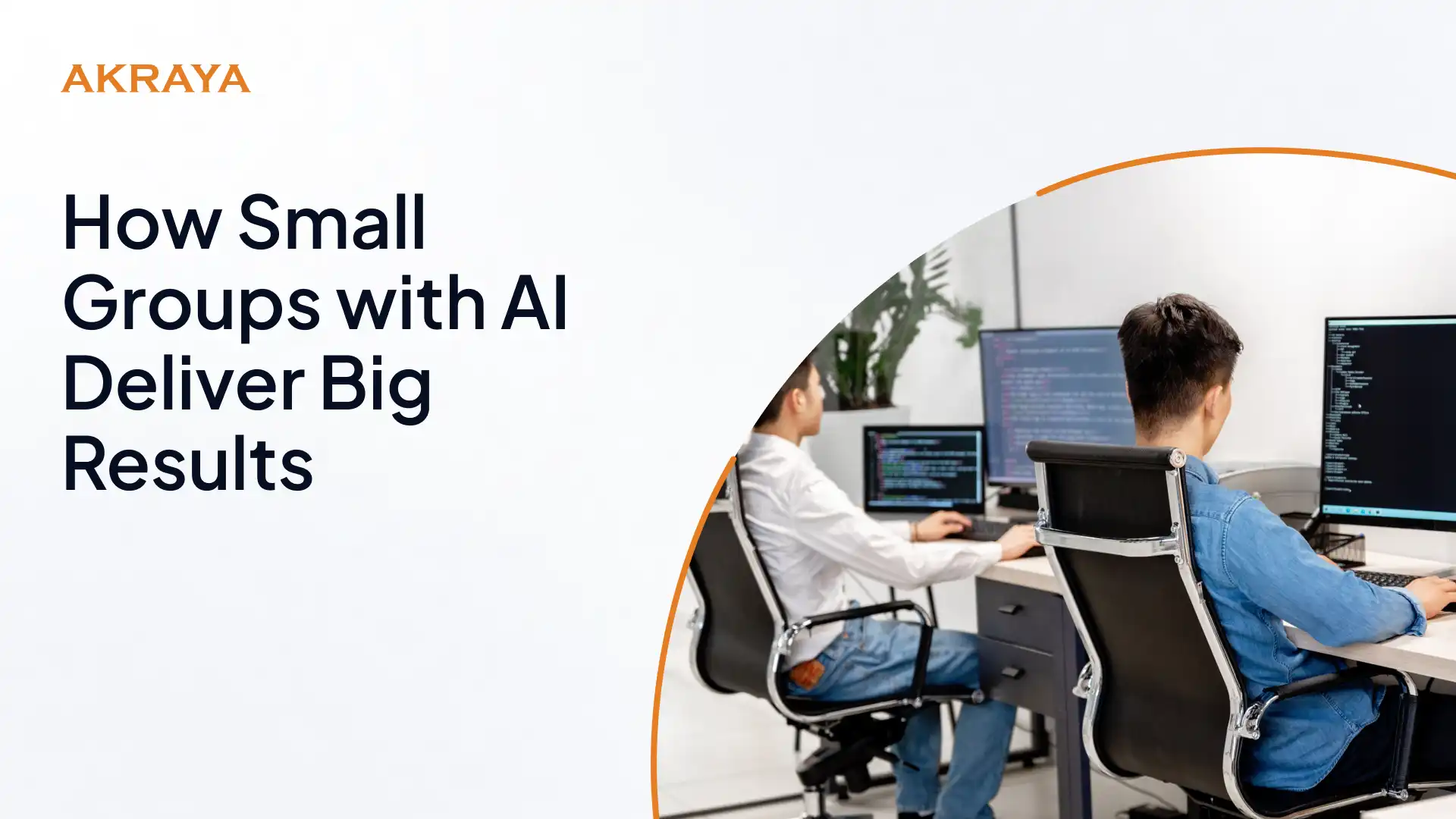
The way engineering teams are built is changing fast. In the VC and SaaS ecosystem, scale is no longer defined by headcount. It is defined by output. High-growth companies are proving that small, focused engineering teams, when paired with the right AI tools, can outperform much larger organizations. The emphasis has shifted from hiring more engineers to enabling the best engineers to do their most impactful work.

This evolution is driven by pressure on burn rates, faster product cycles, and rising expectations for quality and speed. Investors are backing teams that demonstrate capital efficiency, technical excellence, and the ability to ship meaningful outcomes with lean structures.

Why Smaller Engineering Teams Are Winning

High-impact engineering teams are intentionally small. They are built around senior talent with strong problem-solving ability, product intuition, and ownership mindset. Instead of layering multiple roles and handoffs, these teams operate with tighter feedback loops and clearer accountability.

VC-backed and SaaS companies favor this model because it reduces coordination overhead and accelerates decision-making. Fewer people means less friction. When engineers understand both the technical and business context, teams move faster and build with purpose. Hiring fewer but stronger engineers has become a competitive advantage.

How AI Multiplies Engineering Productivity

AI has become a force multiplier for modern engineering teams. Tools powered by large language models, intelligent code assistants, automated testing, and observability platforms allow small teams to operate at scale. Engineers spend less time on repetitive tasks and more time on architecture, problem-solving, and innovation.

Developers using AI coding assistants complete tasks 20-50% faster on average, with McKinsey reporting up to twice the speed for code generation, refactoring, and documentation, freeing engineers for high-impact architecture work.

AI also improves consistency and quality. Automated code reviews, test generation, and performance monitoring reduce defects and rework. This enables teams to ship faster without sacrificing reliability. When AI is embedded into the development lifecycle, productivity gains compound over time.

Hiring the Right Talent and Giving Them the Right Tools

The success of high-impact engineering teams depends on two factors working together. Hiring exceptional talent and equipping them with the best tools. AI does not replace strong engineers. It amplifies them. Teams that hire for depth, adaptability, and learning ability see the greatest returns from AI adoption.

Equally important is creating an environment where engineers can focus. Clear goals, modern tooling, and access to AI-driven workflows allow small teams to deliver outsized results. Organizations that combine selective hiring with intelligent enablement build engineering functions that are both resilient and scalable.


What We Learned

High-performing engineering teams are no longer defined by size. They are defined by leverage. Small teams staffed with top talent and supported by AI-driven tools consistently deliver faster releases, higher quality, and better alignment with business goals. This model aligns well with the priorities of VC-backed and SaaS organizations focused on efficiency and speed.”

AI has shifted the productivity curve, but only for teams prepared to use it effectively. When paired with the right talent strategy, AI enables organizations to achieve more without increasing complexity or cost.

At Akraya, we believe the future of engineering lies in building high-impact teams, not large ones. By combining selective hiring, AI-enabled workflows, and flexible delivery models, organizations can scale outcomes without scaling headcount. The result is faster innovation, stronger execution, and engineering teams designed for modern growth.

Reach out to us today.


How can we help you today?

Case Studies

Accelerating Application Modernization for a Global Commerce Leader

Akraya transformed application infrastructure into a $900M+ revenue accelerator, enabling scalable growth and future-proofing against next-gen demands.

Case Study - Walmart Sams Club PM Staffing
Unlocking Revenue Growth for a Fortune Retailer with Talent On Demand

Akraya’s talent-on-demand strategy transformed merchandising into a predictive revenue engine, driving $8.4B in new sales and enabling the most responsive omnichannel system in the industry.

Why UX Research Is the Secret Weapon of Successful Product Teams

Why UX Research Is the Secret Weapon of Successful Product Teams

Why UX Research Is the Secret Weapon of Successful Product Teams

Read More
AI Powered Digital Twins: The Self-Correcting Supply Chains Cutting Recovery Time by 28 Percent

AI Powered Digital Twins: The Self-Correcting Supply Chains Cutting Recovery Time by 28 Percent

AI Powered Digital Twins: The Self-Correcting Supply Chains Cutting Recovery Time by 28 Percent

Read More